A well-designed sprinkler system makes it easier to keep your grass, gardens, and landscape healthy without spending hours watering by hand. However, irrigation systems need routine care to continue working efficiently. Lawn sprinkler system maintenance helps homeowners and business owners catch leaks, damaged components, coverage problems, and inefficient watering before they lead to higher water bills or costly repairs. A little attention throughout the year can go a long way toward protecting your system and the landscape it serves.
What Lawn Sprinkler System Maintenance Should Be Done?
Sprinkler systems contain multiple components that work together to deliver the right amount of water to different areas of a property. Even one clogged nozzle or damaged sprinkler head can affect overall performance. Regular inspections can help you identify problems early and keep your system operating as intended.
Inspect Sprinkler Heads
Sprinkler heads are exposed to lawn equipment, foot traffic, soil, grass growth, and the elements. Over time, they can become damaged, buried, tilted, or blocked.
Check each head while the system is running and look for cracks, weak spray patterns, or water flowing in the wrong direction. Grass and other landscaping may also need to be trimmed away if they are interfering with the spray.
Check the System for Leaks
Leaks can waste water while making it harder for your irrigation system to provide consistent coverage. Some are easy to spot, while underground leaks may be less obvious.
Signs of a possible sprinkler leak include:
- Pooling water: Puddles around sprinkler heads or unusually wet sections of the lawn may indicate a problem.
- Soggy areas: Soil that stays wet when surrounding areas are dry can signal an underground leak.
- Reduced pressure: Weak sprinkler performance may indicate that water is escaping somewhere in the system.
- Unexpected water use: An unexplained increase in water consumption may be worth investigating.
Finding leaks early can help limit water waste and prevent a small repair from becoming a larger problem.
Adjust Sprinkler Heads
Sprinkler heads can shift over time, and landscaping changes as grass, shrubs, and plants grow. A spray pattern that worked well when the system was installed may eventually need adjustment.
Watch where the water lands during operation. Sprinklers should primarily target grass and landscaping, not sidewalks, driveways, buildings, or other hard surfaces. Proper adjustments can also help eliminate dry spots and areas receiving excessive water.
Clean Clogged Nozzles
Dirt, grass clippings, and other debris can collect inside sprinkler nozzles and interfere with water flow. A clogged nozzle may produce an uneven stream, reduced spray, or no water at all.
As part of routine lawn sprinkler system maintenance, inspect nozzles when you notice an unusual spray pattern. Cleaning debris from the nozzle and checking applicable filters can often restore normal performance.

Why Should Each Sprinkler Zone Be Tested?
A sprinkler system may appear to be working normally even when one zone has a problem. Running each zone individually lets you examine its performance more closely.
While testing, pay attention to:
- Sprinkler heads that fail to rise or spray properly
- Areas with noticeably low water pressure
- Leaking or damaged heads
- Uneven water coverage
- Valves that do not open or close correctly
Testing zones periodically makes it easier to identify exactly where a problem is occurring rather than waiting until sections of the lawn begin showing signs of insufficient watering.
How Often Should You Adjust Your Sprinkler Schedule?
Your landscape does not need the same amount of water throughout every season. Temperature, rainfall, plant growth, and seasonal conditions all affect watering requirements. Leaving the controller on the same schedule year-round can lead to unnecessary water use.
Review your watering schedule as the seasons change. During rainy or cooler periods, your property may require less irrigation. During warmer and drier conditions, the sprinkler system may need to run more often.
Your controller should also be included in routine lawn sprinkler system maintenance. Confirm that watering days, start times, and zone durations are programmed correctly. If the controller uses backup batteries, replace them when necessary and review your settings following a power outage.
How Can Seasonal Maintenance Protect Your Sprinkler System?
Seasonal changes can affect both irrigation needs and system components. Preparing your system for changing weather can reduce the likelihood of damage and help it perform properly when you need it again.
In areas where temperatures fall below freezing, winterization is especially important. Water remaining inside irrigation pipes and components can freeze and potentially cause damage. Scheduling professional winterization before the cold weather arrives will help to protect your system.
When the warmer weather returns, the system should be inspected before putting it into regular use. Check for damaged sprinkler heads, leaks, pressure problems, and other issues that may have developed while the system was inactive.
When Should You Call a Sprinkler System Professional?
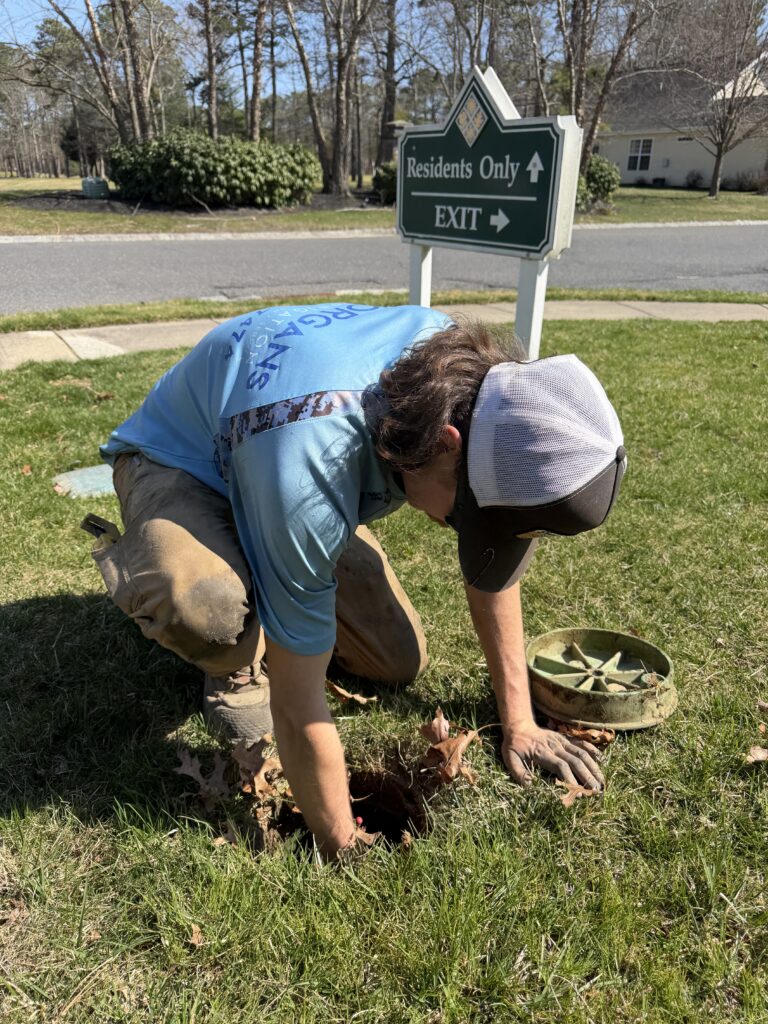
Property owners can handle many visual inspections and simple adjustments, but some irrigation problems require professional attention. If you notice recurring leaks, inconsistent pressure, malfunctioning valves, controller problems, or hard-to-locate issues, it may be time to schedule service.
Professional lawn sprinkler system maintenance can also provide a more thorough evaluation of the system. A technician can examine components that are difficult for property owners to assess, make necessary adjustments, and identify developing problems before they interfere with irrigation performance.
Protect Your Investment with Expert Lawn Sprinkler System Maintenance
At Morgans Irrigation, we know that a sprinkler system is a significant investment in the appearance and health of your property. We provide professional lawn sprinkler system maintenance, repairs, adjustments, and seasonal services throughout Monmouth, Ocean, and Atlantic County for residential and commercial irrigation systems.
Whether you are dealing with a leak, uneven coverage, a malfunctioning component, or simply want to keep your system in good condition, we can help. Contact Morgans Irrigation today to schedule sprinkler system service and protect your irrigation investment for the seasons ahead.

Lawn Sprinkler System Maintenance FAQs
How often should I inspect my sprinkler heads?
Sprinkler heads should be checked periodically throughout the watering season and whenever you notice uneven or unusual spray patterns.
What are common signs of a sprinkler system leak?
Pooling water, soggy areas, reduced water pressure, and unexpected increases in water use can indicate a possible leak.
Why is my sprinkler system watering unevenly?
Uneven watering may result from clogged nozzles, damaged or misaligned sprinkler heads, pressure issues, or landscaping blocking the spray.
Should I change my sprinkler schedule throughout the year?
Yes. Watering needs change based on temperature, rainfall, seasonal conditions, and the needs of your landscape.
Why should sprinkler zones be tested individually?
Testing each zone makes it easier to identify malfunctioning heads, leaks, pressure problems, and coverage issues in a specific part of the system.
Do sprinkler systems need to be winterized?
In climates that experience freezing temperatures, proper winterization can help protect pipes and other irrigation components from freeze-related damage.